Tooth Sensitivity to Cold and Hot: What’s Really Happening
A sip of ice water. A spoonful of hot soup. And suddenly there’s a sharp, brief jolt of pain that catches you…

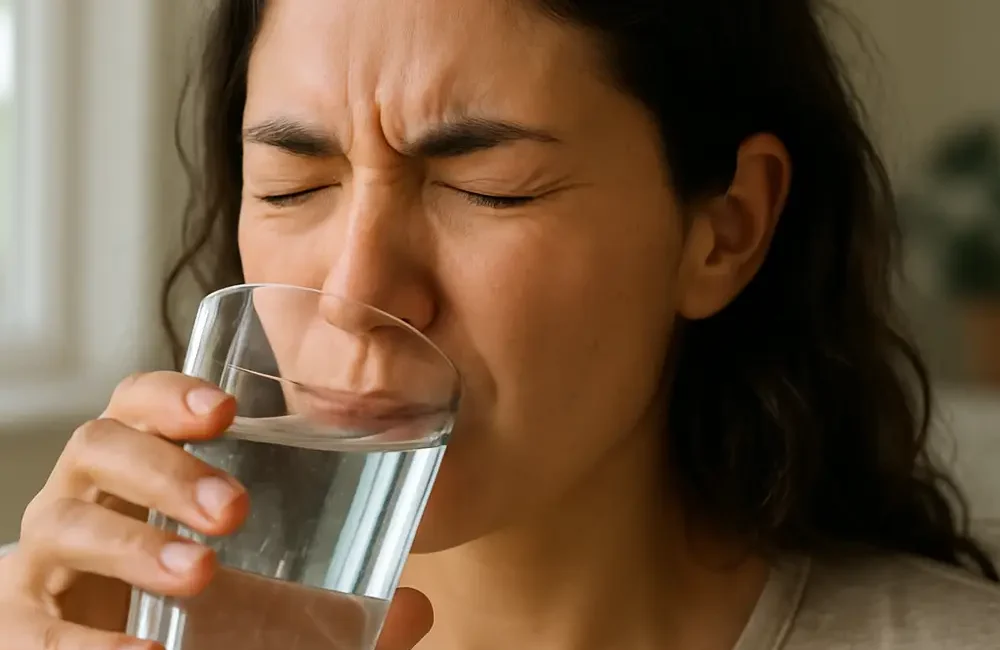
A sip of ice water. A spoonful of hot soup. And suddenly there’s a sharp, brief jolt of pain that catches you off guard, every single time. If certain foods and drinks have started feeling like a gamble, you’re dealing with one of the most common dental complaints there is — and one that almost always has an identifiable, treatable cause.
Why teeth become sensitive in the first place
Underneath your enamel is a layer called dentin, which contains thousands of microscopic tubules leading directly to the nerve inside the tooth. When enamel wears down or gums recede — exposing that dentin — hot, cold, sweet, or acidic substances can reach those tubules and trigger a genuinely sharp pain response. Healthy, intact enamel normally acts as a protective shield that keeps this from happening.
The mechanism behind this, sometimes called the hydrodynamic theory, is worth understanding in plain terms: when a hot, cold, or sweet stimulus hits an exposed tubule, it causes tiny shifts in fluid inside that tubule, which triggers nearby nerve fibers to fire. That’s the sharp, short-lived jolt you feel — brief because the fluid movement itself is brief, not because anything is seriously wrong in the moment.

The most common causes
Enamel erosion from acidic foods and drinks — citrus, soda, wine — gradually thins the protective layer over years of exposure. Brushing too hard with a stiff-bristled brush can wear away enamel and irritate gums simultaneously, making this one of the more common self-inflicted causes.
Gum recession, whether from aggressive brushing, gum disease, or simply aging, exposes the more sensitive root surface of the tooth, which has no enamel covering at all — only a thinner, more vulnerable layer called cementum. Teeth grinding, often happening unconsciously during sleep, wears down enamel gradually over months and years without the person realizing it’s happening. And tooth decay or a cracked tooth can cause sensitivity localized to one specific spot rather than a general pattern across your mouth — a useful clue when you’re trying to figure out what’s actually going on.
Recent dental work and teeth whitening
It’s extremely common to notice temporary sensitivity after teeth whitening treatments or certain dental procedures. Whitening agents — hydrogen peroxide or carbamide peroxide — can temporarily penetrate through enamel and dentin toward the pulp, and this process can stimulate the nerve fibers inside. This type of sensitivity is usually temporary, resolving within a few days to a couple of weeks as things settle.

What actually helps
Switching to a soft-bristled toothbrush and a gentler brushing technique protects both enamel and gums going forward — this is genuinely the single highest-leverage change most people can make. Mayo Clinic notes that desensitizing toothpaste and mouthwash can help block the pain signals associated with sensitive teeth, and this is worth understanding at the ingredient level: potassium nitrate, potassium chloride, and potassium citrate work by reducing the excitability of the nerve fibers inside the tooth, which is a different mechanism than simply “toughening” the enamel. Consistency matters here — these ingredients typically need several weeks of regular use to build up their effect, not a single application.
Toothpaste containing calcium sodium phosphosilicate works differently, helping to physically occlude — essentially plug — the exposed dentinal tubules themselves, which reduces the fluid movement that triggers pain in the first place.
Limiting highly acidic foods and drinks, or rinsing with water afterward, reduces ongoing enamel erosion. If you do drink something acidic, using a straw can help limit direct contact with your teeth.
And if sensitivity is localized to one tooth, sudden in onset, or severe, that’s worth a dental visit rather than assuming it’s general wear — it could indicate decay or a crack that genuinely needs treatment, not just a toothpaste swap.
How common is this, and why it matters that you know
Research on this varies by study design, but estimates suggest dentin hypersensitivity affects somewhere between roughly a third and over half of adults at some point, with cold as the single most frequently reported trigger. Interestingly, research has also found meaningfully higher rates of tooth sensitivity among people with existing gum disease that hasn’t been treated — which lines up with everything above, since gum recession is one of the most direct paths to dentin exposure.
The reason this number matters isn’t just trivia: if this is something you’re dealing with, you’re dealing with something extremely common and well-understood, not a mysterious or rare problem. Dentists see this constantly and have a genuinely solid toolkit for addressing it.
nn
When at-home treatments aren’t enough
If desensitizing toothpaste hasn’t helped after several weeks of consistent use, a dentist has additional options. In-office fluoride varnish or gel applications work by strengthening enamel directly and reducing how easily sensations transfer to the nerve. For more persistent or severe cases, a dentist may apply a bonding agent or resin directly over exposed root surfaces, physically sealing the exposed dentin. In rare, severe cases where sensitivity doesn’t respond to any of these approaches, root canal treatment may be considered — but this is very much a last resort, not a typical outcome for ordinary sensitivity.
Foods and drinks worth knowing about, either way
You don’t need to eliminate your favorite foods entirely, but knowing which ones are working against you helps you make informed trade-offs rather than guessing.
The biggest offenders: citrus fruits and juices, wine (especially white wine, which tends to be more acidic), carbonated soft drinks, and sports drinks all sit at a low pH that actively softens enamel on contact. Sparkling water is milder but not entirely neutral either.
Temperature extremes matter too, independent of acidity: very hot coffee or tea and ice-cold drinks can both trigger discomfort in already-sensitive teeth, even when the drink itself isn’t particularly acidic.
A practical middle ground: drink acidic beverages with a meal rather than sipping them slowly on their own (food helps buffer the acid), use a straw when practical to limit direct tooth contact, and rinse with plain water afterward rather than brushing immediately — brushing right after acidic exposure can actually rub softened enamel away before it has a chance to re-harden.
Preventing sensitivity before it starts
If your teeth aren’t currently sensitive, a few habits meaningfully reduce your odds of developing it: brushing with a soft-bristled brush using light pressure, waiting at least 30 minutes after eating or drinking something acidic before brushing, using a fluoride toothpaste consistently (fluoride genuinely strengthens enamel over time, independent of any desensitizing ingredients), and addressing teeth grinding early with a nightguard if you or a partner notices it happening.
nn
Myths about tooth sensitivity, cleared up
Myth: Sensitive teeth mean you have a cavity. Decay is one possible cause, but far from the only one. Enamel erosion, gum recession, and grinding are all common causes with nothing to do with cavities.
Myth: If desensitizing toothpaste doesn’t work immediately, it’s not working. Most desensitizing toothpastes need consistent use over two to four weeks to build their full effect. A single use rarely produces dramatic results, which leads a lot of people to give up right before it would have started working.
Myth: Whitening always damages your enamel. Professional, properly supervised whitening doesn’t cause lasting enamel damage for most people — the sensitivity it triggers is typically temporary and related to nerve stimulation during the process, not permanent erosion.
Common questions about tooth sensitivity
Why are my teeth suddenly more sensitive than they used to be?
A change that shows up somewhat suddenly is often linked to a specific recent event — new whitening treatment, a shift in diet toward more acidic foods or drinks, a new aggressive brushing habit, or the start of nighttime grinding, sometimes triggered by a period of higher stress. Thinking back over the past few weeks can often point to the cause.
Does tooth sensitivity get worse with age?
It can, mainly because enamel naturally thins somewhat over decades of use, and gum recession becomes more common with age. That said, sensitivity at any age is usually traceable to a specific, addressable cause rather than being an inevitable consequence of getting older.
Can stress cause tooth sensitivity?
Indirectly, yes — largely through teeth grinding, which many people do unconsciously during sleep, especially during stressful periods. A nightguard is often recommended once this pattern is identified.
Is tooth sensitivity to sweets different from sensitivity to hot and cold?
Not fundamentally — both stem from the same exposed-dentin mechanism, just triggered by a different type of stimulus. Sensitivity to sweets specifically can sometimes point toward a small area of decay, since sugar interacting with compromised enamel produces a particular reaction, so it’s worth mentioning to your dentist if it’s a distinct, consistent pattern.
How common is tooth sensitivity, really?
Very common — estimates suggest it affects as much as half of the adult population to varying degrees, ranging from occasional mild twinges to sensitivity that noticeably affects daily eating and drinking.
What to tell your dentist to help them diagnose it faster
A dentist can usually narrow down the cause much faster if you come prepared with specific details rather than a general “my teeth hurt sometimes.” Before your appointment, try to note:
Which specific tooth or teeth — one spot, one side of your mouth, or generally everywhere. Localized sensitivity points toward decay or a crack; widespread sensitivity points more toward enamel erosion, recession, or grinding.
What triggers it — cold specifically, hot specifically, sweets, pressure while chewing, or some combination. Different triggers can point toward different underlying mechanisms.
When it started — gradually over months, or fairly suddenly within the past few weeks. Sudden onset often points toward a recent, identifiable event (whitening, a new habit, a specific food change) rather than long-term wear.
How long the pain lasts — a brief jolt that fades within seconds is the classic pattern for dentin hypersensitivity. Pain that lingers for minutes after the trigger is removed is a different pattern worth flagging clearly, since it can point toward a more significant issue like an infected nerve.
Walking in with these details ready genuinely speeds up getting an accurate diagnosis and the right treatment, rather than a round of guessing.
nn
The bottom line
Tooth sensitivity to hot and cold is common and almost always traceable to enamel wear, gum recession, grinding, or a specific recent event like whitening — all genuinely manageable once identified. A dentist can pinpoint the specific cause and recommend the right approach, rather than you having to guess and quietly avoid your favorite foods indefinitely.
This article is for general educational purposes and isn’t a substitute for professional dental advice. If sensitivity is severe, localized, or sudden, please see a dentist.
Related reading

Emily started writing about health and wellness after watching her own mother struggle to find straight answers about perimenopause — answers that weren't buried in medical jargon or written for someone with a nursing degree. That experience shaped how she writes today. Every article on GetHealthy.Online is researched carefully and checked against trusted sources like the CDC, NIH, and Mayo Clinic — then translated into the kind of conversation you'd actually want to have with a friend who's done the homework for you. Emily isn't a doctor, and she'll never pretend to be one. When something calls for professional medical advice, she'll tell you so, plainly. Her job is to help you understand what's happening in your body, ask better questions at your next appointment, and feel a little less alone in figuring it out. She lives for the moments when a reader says, "I finally understand what my doctor was trying to explain."
Related Reading
 Dental
Receding Gums: Why It Happens and Can You Reverse It?
You catch your reflection in the bathroom mirror and something looks a little different. Your teeth…
 Dental
Bad Breath That Won’t Go Away: What’s Really Causing It
You brush. You use mouthwash. You might even carry gum or mints around “just in case.”…
 Dental
Why Your Gums Bleed When You Brush (And When to Actually Worry)
You brush your teeth, spit, and there it is — a little pink or red in…